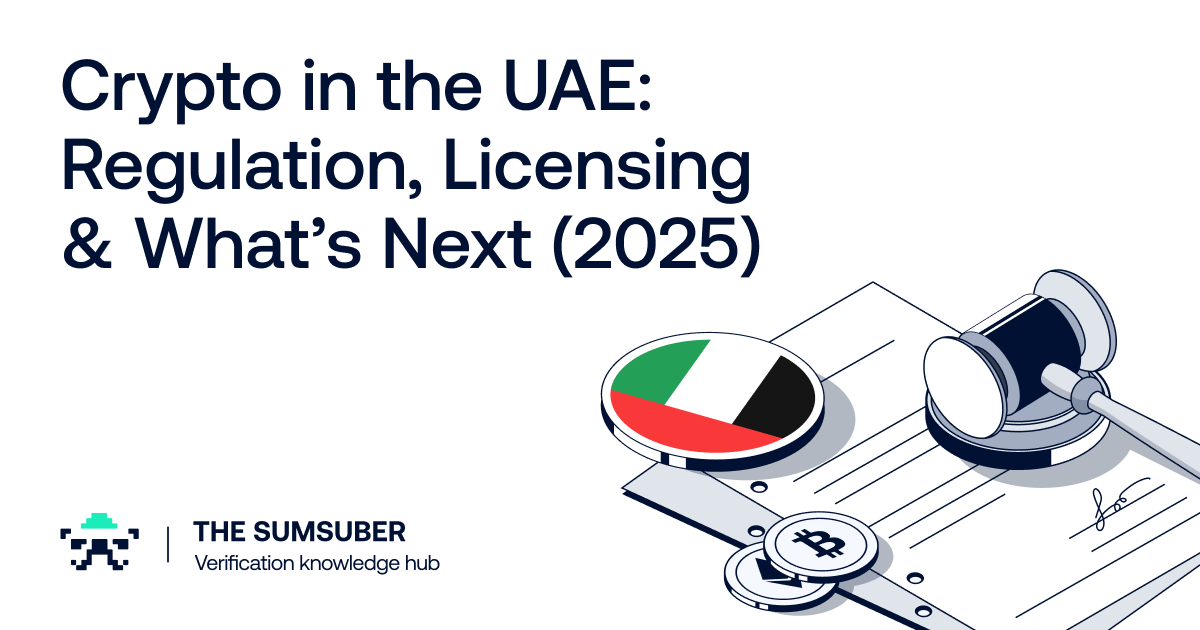
The Evolution of the UAE Crypto License: Navigating the Future of Digital Finance
The United Arab Emirates (UAE) has emerged as a global powerhouse in the cryptocurrency sector, catalyzed by its innovative regulatory environment. The UAE crypto license is a key component of this transformation, attracting businesses and investors from around the world seeking a conducive habitat for digital currency operations. This article dives deep into the framework, significance, and future trajectory of the UAE's approach to cryptocurrency licensing.
The Beginnings: Establishing a Framework
The inception of the UAE crypto license can be traced back to the growing recognition of cryptocurrencies as viable financial instruments. As the global interest in cryptocurrencies soared, the UAE's government realized the need to provide a regulated environment that would not only foster innovation but also protect investors. In 2017, the UAE Financial Services Regulatory Authority (FSRA) introduced a regulatory framework specifically aimed at overseeing digital assets and ensuring compliance with anti-money laundering (AML) and counter-terrorism financing (CTF) directives.
Types of Licenses Available
The UAE crypto ecosystem is characterized by various types of licenses offered to engage in different activities related to cryptocurrencies. The main categories include:
- Brokerage Services: Licenses for platforms facilitating the buying and selling of cryptocurrencies.
- Custodial Services: Licenses for companies providing secure storage solutions for digital assets.
- Exchanges: Licenses for platforms that allow users to trade cryptocurrencies against each other or fiat currencies.
- Initial Coin Offerings (ICOs): Regulations surrounding the issuance of cryptocurrencies through ICOs, ensuring transparency and investor protection.
Benefits of Obtaining a UAE Crypto License
Securing a crypto license in the UAE comes with several advantages:
- Market Credibility: A licensed status enhances the credibility of businesses, assuring customers of compliance and safety.
- Access to a Growing Market: The UAE serves as a bridge to the rapidly growing Middle Eastern and Asian markets for cryptocurrency services.
- Tax Benefits: The UAE offers a favorable tax regime, including no personal income tax and various exemptions for businesses.
- Regulatory Support: Access to a regulatory framework that supports innovation while ensuring compliance standards are met.
UAE's Strategic Vision: To Be a Global Hub
The UAE's government has set ambitious goals for the nation's economic diversification, with blockchain and cryptocurrency at the forefront of its strategy. The government has implemented initiatives such as the Dubai Blockchain Strategy, which aims to make Dubai the first city fully powered by blockchain technology by 2021. The strategic vision encompasses attracting talent, fostering innovation, and positioning the UAE as a global leader in digital finance.
The Role of Free Zones
The proliferation of free economic zones in the UAE has significantly contributed to its attractiveness for cryptocurrency businesses. Zones like the Dubai Multi Commodities Centre (DMCC) and Abu Dhabi Global Market (ADGM) offer tailored regulations and zero tax environments. These zones facilitate the establishment of crypto-related companies, providing them with the regulatory support and infrastructure needed to thrive.
Challenges Facing the UAE Crypto Market
Despite the advantages, the UAE crypto market faces several challenges:
- Regulatory Compliance: Navigating the regulatory landscape requires constant adaptation and investment in compliance systems.
- Market Volatility: Cryptocurrencies are notorious for their price volatility, which can deter traditional investors.
- Global Regulation Differences: As different countries adopt various regulations, businesses must maintain compliance across multiple jurisdictions, which can be complex.
Future Trends in the UAE Crypto Space
The future of cryptocurrency in the UAE looks promising, with several trends expected to shape its evolution:

- Increased Adoption: As acceptance of digital currencies grows, more businesses are likely to integrate cryptocurrency payment options.
- Institutional Investment: Increasing interest from institutional investors could enhance liquidity and stabilize the market.
- Enhanced Regulations: As the market matures, further regulatory clarity may be introduced, encouraging new players to enter the arena.
- Technological Advancements: Continuous innovation in blockchain technology will likely lead to new applications and services in the cryptocurrency space.
Conclusion
The UAE has swiftly become a frontrunner in the global cryptocurrency landscape, with its progressive approach to licensing and regulation paving the way for a thriving digital economy. With the UAE crypto license serving as a model for other nations, it is evident that the region is committed to fostering innovation while safeguarding investors. As the landscape continues
to evolve, the UAE's robust regulatory framework and strategic initiatives will likely play a critical role in shaping the future of cryptocurrency and digital finance on a global scale.
